How to manage under-rows without herbicides
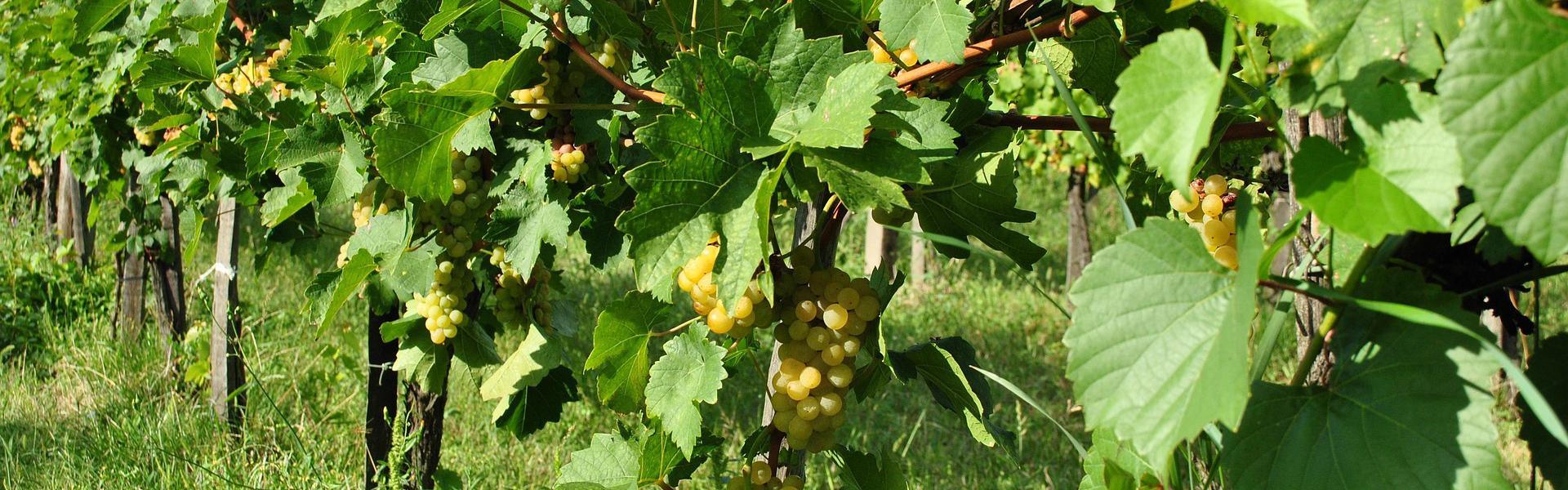
While chemical herbicides are quick and easy to apply, long-lasting, and cost-effective, it is equally true that excessive or improper use can cause a range of problems, including environmental issues such as soil and water contamination (aquifers, rivers, etc.). In the past, total chemical weed control in vineyards was common practice; today, chemical herbicides are still used, particularly for the strip of soil beneath each row of vines (undervine rows or under-rows), or in specific situations.
In vineyards, soil management has a direct impact on the soil itself, which is considered a non-renewable resource. What, then, are the alternatives to chemical weed control for managing the soil in vineyards? These are cover cropping, tillage, and mulching: we’ll discuss them in this article, focusing on under-rows.
Soil management in the vineyard
Under-row management is part of vineyard soil management, which involves controlling weeds to reduce competition with the vines for water and nutrients, improve the microclimate (humidity, light, etc.) at the base of the plants, and facilitate vineyard work. In addition to controlling weeds, soil management balances the quantity and quality of the grapes, preserves or improves the soil’s properties—namely its fertility—and limits its degradation. Soil is, in fact, a complex system that deteriorates due to factors such as erosion, compaction, depletion of organic matter, and loss of biodiversity.
The decision on how to manage the soil depends on a number of factors, including the size of the vineyard, whether it is on flat ground or a slope, soil characteristics, climate, grape variety and the age of the vines, how vigorous they are (i.e., how many shoots, leaves, and clusters they produce), the training system used, the types of weeds present, and the time and resources you can devote to its care. Obviously, this applies to the entire vineyard, including both the under-rows and the midrows (the areas between the vine rows).
In under-rows, soil management is crucial and the most delicate decision, both because this is where weeds compete directly with the vines, and because there is a real risk of damaging the plants with the equipment you use.
It is therefore a matter of finding the management approach best suited to your vineyard, including by varying the techniques used between the rows and between the vines. In any case, we recommend working with soil that is at the right moisture level—neither too wet nor too dry—to make the task easier and avoid compacting the soil if it is wet (especially if it is clayey), or, conversely, kicking up a lot of dust if it is dry. If rain is forecast, it is best to postpone the work because rain stimulates rapid weed regrowth. Now let’s focus on the different techniques for managing the under-rows.


Managing under-rows with cover cropping
Cover cropping is a form of intercropping between grapevines and wild or sown herbaceous species (if you go for artificial cover cropping with selected species). It is considered total if it covers all the midrows and under-rows of the vineyard, or partial if it is limited to the midrows. It is permanent if maintained year-round, or temporary if limited to the fall-winter period (recommended in areas with low rainfall).
Manage the cover cropping by mowing periodically and leaving the clippings in place. In a small family vineyard, you can use a brushcutter, a wheeled brushcutter, or a flail mower to clear the undergrowth. If the vineyard is fully cover cropped, you can make an initial pass between the rows with a side-discharge garden tractor or an all-terrain garden tractor, and then finish up near the vines with a brushcutter. Alternatively, a flail mower is also suitable for mowing the rows between the vines. You can use a brushcutter or an all-terrain garden tractor even when the vineyard is on steep terrain.
Managing under-rows with cover cropping:
-
Controls weed growth.
-
Protects the soil from erosion.
-
Improves soil fertility by adding organic matter, stimulating soil organisms, etc.
-
Prevents soil compaction and facilitates access to the vineyard.
-
Increases biodiversity in the vineyard environment.
-
Is more economical and faster than tilling (which we will discuss shortly).
In the spring, when you first mow the grass in the vineyard, you can also shred the vine shoots left over from winter pruning. Once shredded, the pruning debris should be tilled into the soil with a motorhoe, thereby adding additional organic matter and minerals.
Be mindful of competition between the cover crop and the vines, particularly for water, especially if you live in an area with low rainfall or if the vineyard soil is very well-drained (sandy). Competition regulates the vigor of the vines to improve grape quality, but it should not be taken to extremes. Mowing or mulching operations can damage the vine trunks: to prevent wounds caused by the brushcutter’s trimmer line, you can attach a special metal spacer to it. Alternatively, you can cover the trunks with protective covers: we’ll discuss this when we cover under-row tilling.
Tilling under-rows
Soil tilling is essentially “mechanical weeding”, a technique still widely used that you can apply to the entire vineyard or just the under-rows. To perform light tillage that loosens the soil without turning it over or breaking it up, you can use a hoe along the rows of vines in a small vineyard, or till with a motorhoe or a two-wheeled tractor.
Tilling the soil along the vineyard rows:
-
Is effective against weeds, particularly annuals.
-
If you apply fertilizers (organic matter, manure, etc.), it works them into the soil.
-
Makes nutrients more readily available.
-
Makes the soil softer and more permeable, improving the infiltration and retention of rainwater and/or irrigation water.
Tilling under-rows is therefore a good solution for vineyards with low to moderate vigor. It is also useful for optimizing water use, making it suitable for areas with low rainfall. Furthermore, tillage may be the preferred method of soil management during the early years of a vineyard’s life.
Be aware of:
-
Damage to the vine stems and/or roots: these can serve as entry points for pests and diseases.
-
Risk of soil erosion, particularly if the vineyard is on a slope.
-
Soil structure: the rotary motion of tilling, when repeated at a consistent depth, tends to form a compact, impermeable layer.
-
Perennial weeds: these also spread via rhizomes, bulbs, etc., which, when broken up during tilling, can help them propagate.
As for the vine stems, you can protect them from impacts and damage with special shelters—available in various materials and shapes—or by wrapping them with ordinary plastic tubing. These protective measures are also useful if the ground within the rows is not bare but cover cropped.


Mulching along the under-rows in the vineyard
Mulching along the rows of vines is an alternative to tilling and cover cropping, which can in turn be considered a form of “living mulch”. It involves covering the ground beneath the vines with natural or synthetic materials. For example, grass clippings from the midrows and shredded winter pruning waste to optimize the vineyard’s own resources, or compost, shredded bark, and straw. Natural materials do not last long, but they provide the soil with organic matter. Alternatively, you can lay down plastic sheets, non-woven fabric, or biodegradable material (less durable than the others but easier to dispose of).
Mulching along the under-rows in the vineyard:
-
Is effective at controlling weeds.
-
Retains moisture and maintains soil structure.
-
Promotes rapid vine growth.
Mulching the under-rows can be a good solution in newly planted vineyards and in vineyards with closely spaced vines, where it is difficult to implement other soil management techniques.
Be careful if the vineyard is on a slope with rows running parallel to the slope (contour planting): in this situation, mulching can contribute to soil erosion. If the soil suffers from waterlogging, this can exacerbate the problem, with corresponding consequences for the vines
If you choose to mulch the under-rows with grass clippings, a brushcutter equipped with a grass blade will cut the grass while leaving it intact. If you use a side-discharge garden tractor to clear the midrows, you already have the advantage of depositing the grass near the rows of vines.
Soil management affects the health of the vines, and thus their ability to withstand pests and diseases. In these articles, we’ll introduce you to some of the most common ones, along with ways to control them: powdery mildew, botrytis, and mealybugs.
We conclude by offering you themed features on vine training systems, how to plant an espalier vineyard, and how to fertilize the vineyard.
Related articles

Protect Plants from the Cold: Find Out How

How to create a zen garden
